Navigation
History
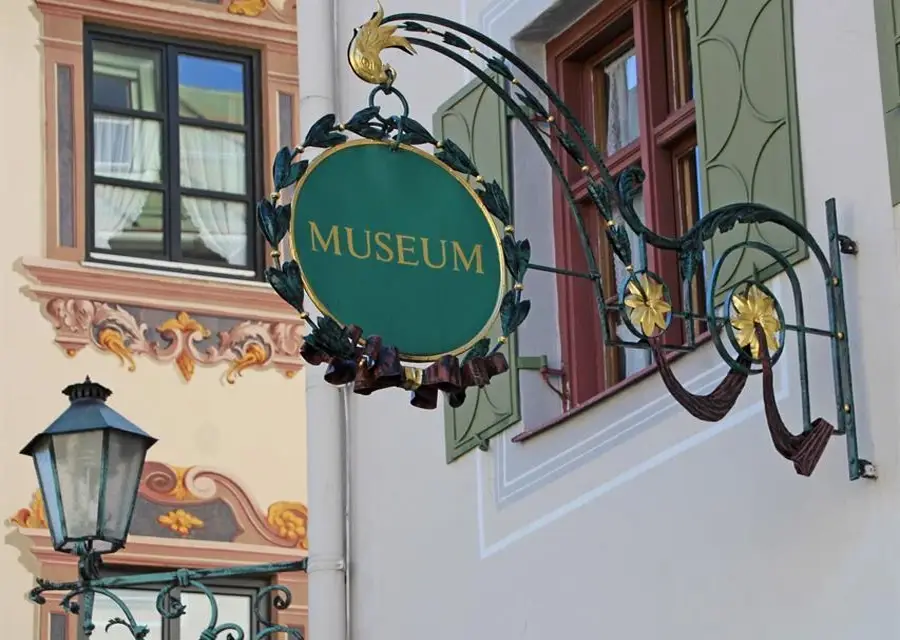
On May 21, 1925, the “Werdenfels District Museum” was opened — known today as the Museum Werdenfels of the Garmisch-Partenkirchen district. Since then, it has grown, relocated, and expanded, becoming a focal point at the intersection of tradition and the present day.
The museum
The nucleus of the Museum Werdenfels was the collection of models and artefacts assembled for teaching purposes since 1895 by the school director Anton Kiendl at the District School of Drawing and Woodcarving. By 1920, around 200 historical artworks and everyday objects had been collected in order to train the students’ artistic design skills through visual examples. At the same time, the aim was to counteract the decline of traditional crafts and artisanal workmanship caused by the rapid industrialization that had been accelerating since the mid-19th century.
The district
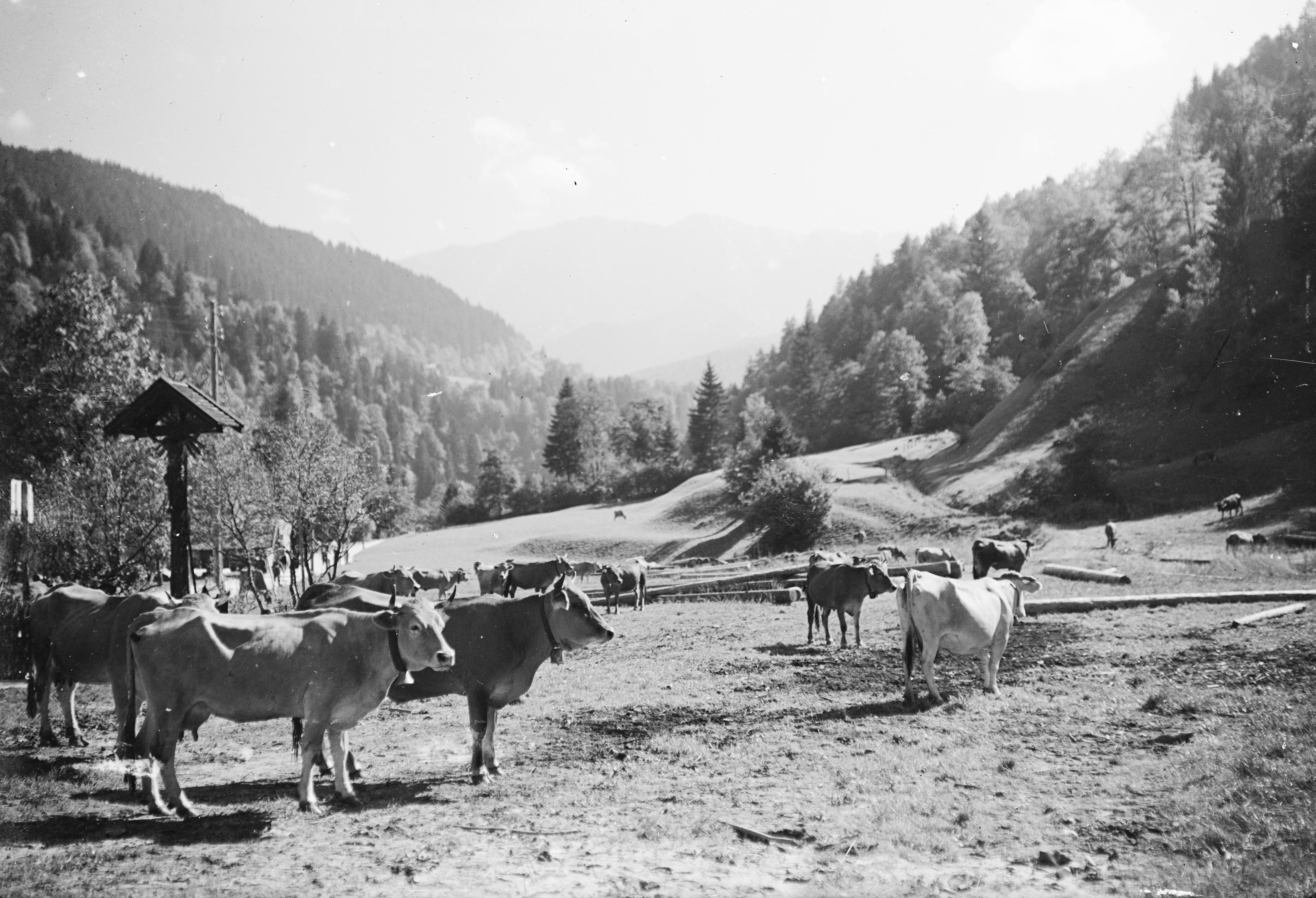
This region has been traversed and settled by people for more than 6,000 years, as it has always served as an important connection between north and south. From prehistoric and early historic paths developed the Roman military road Via Raetia, which passed through Partenkirchen and continued through the Ammertal valley. Since the Middle Ages, long-distance trade flourished along routes organized through the Rottwesen transport system, connecting Venice with Augsburg and extending toward Munich. Goods from the Orient, northern England, and the Netherlands were also transported through the Isar Valley, Loisach Valley, and Ammertal. Thanks to this prosperous economy, art and craftsmanship flourished as well.
The building
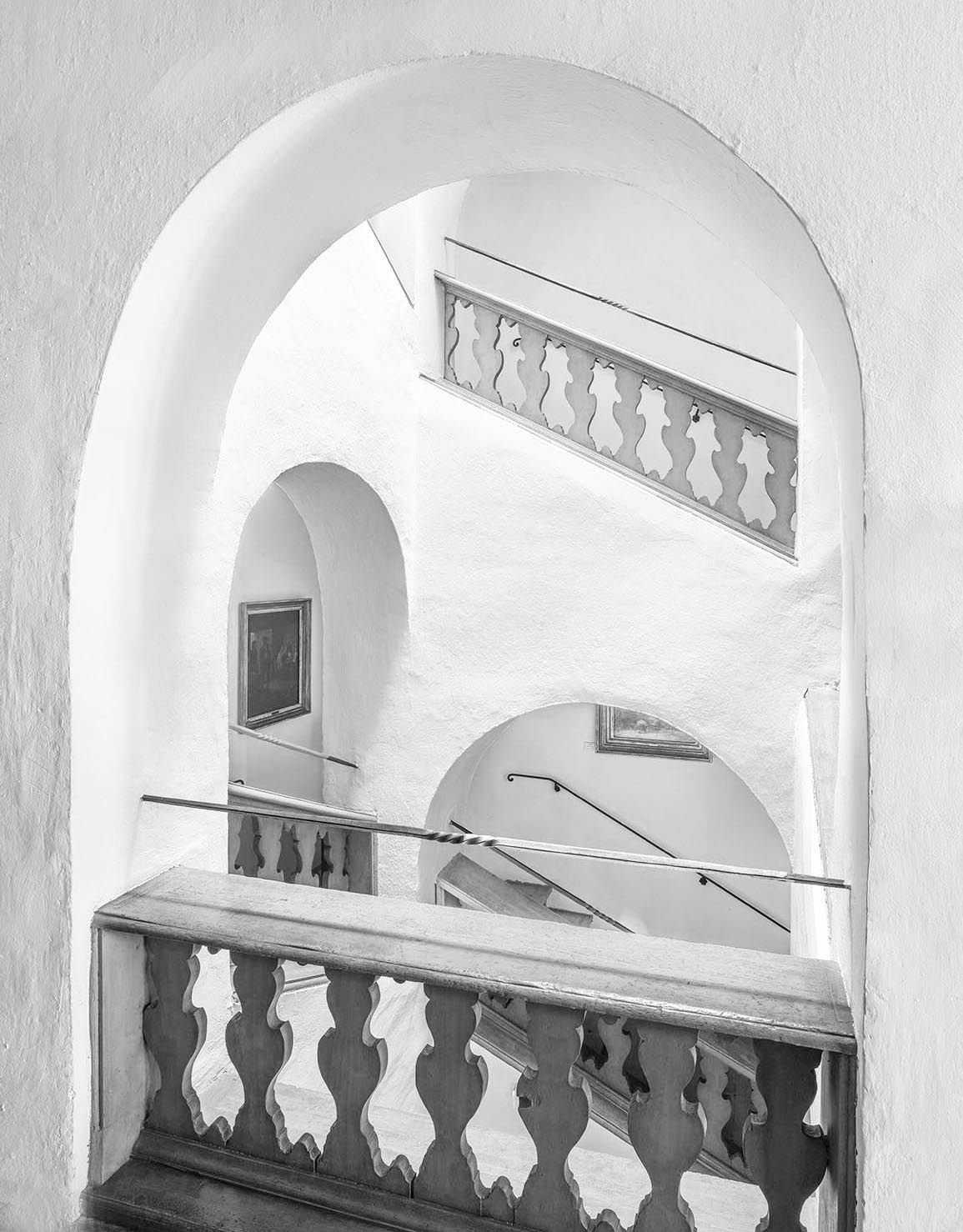
As early as around 1200, there was already a building on the same site where the museum stands today, located along the long-distance trade route that ran through what is now Ludwigsstraße. The present museum building is a merchant’s house built in 1747, known as “Zum Schlamp.” It was constructed by the Samweber family, whose house name was “Schlamp.” Traces of its former role as a trading and warehouse building can still be seen today: the rooms with high vaulted ceilings on the ground floor were designed for storing large quantities of goods, and the entire hallway floor slopes slightly downward toward the rear so that barrels could be rolled more easily. Large shafts in the staircase and central lightwell were each equipped with pulley systems, allowing goods to be stored on the upper floors. Thanks to iron window shutters, firewalls, and a fireproof roof covering, this house was the only one to survive the great market fire of 1865.
Following the founding of the Bavarian National Museum in Munich in 1855, the idea of collections and museums was increasingly promoted in rural areas as well, not least as a way of fostering the identity of the Bavarian kingdom ruled by the House of Wittelsbach within the German Empire.
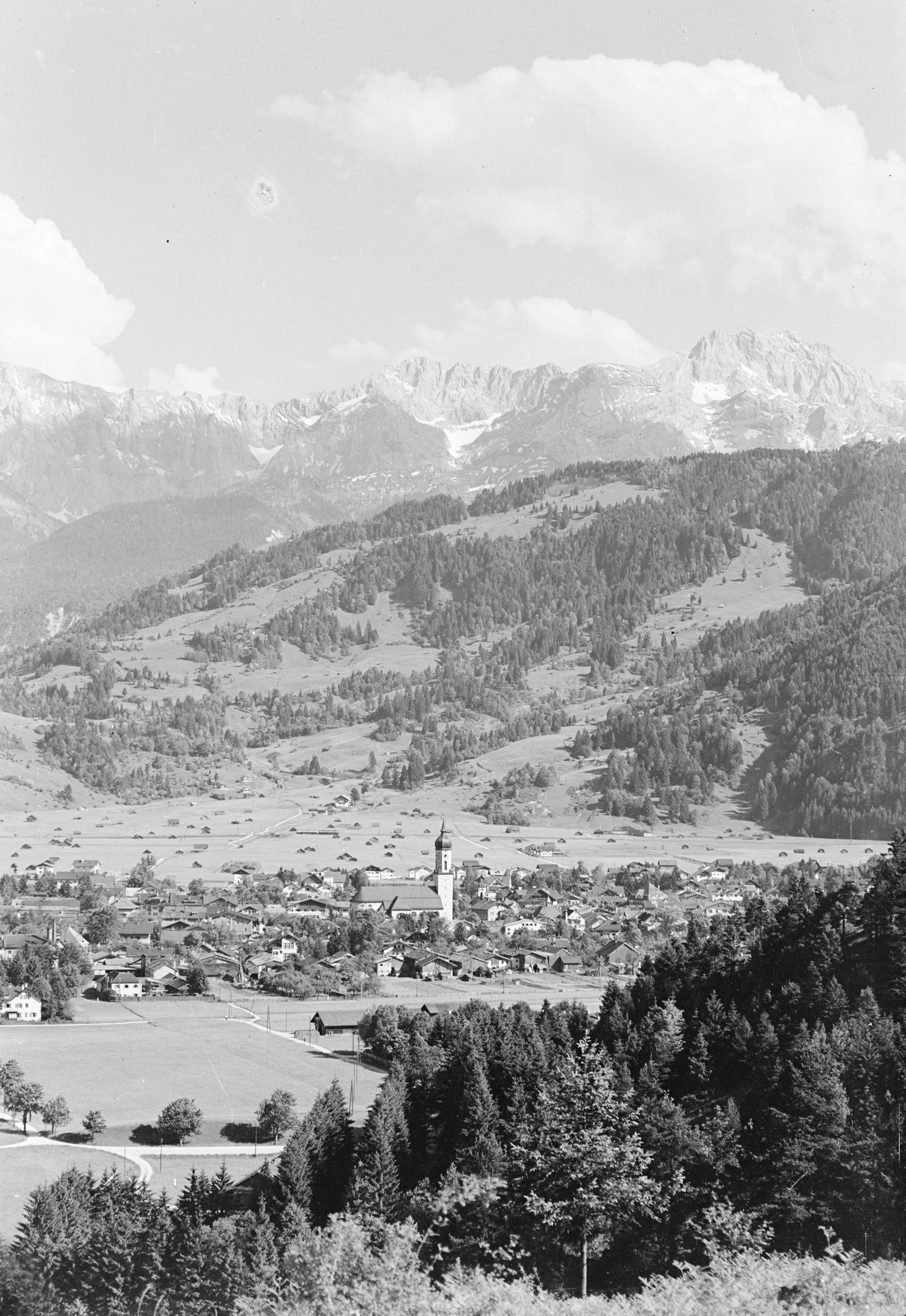
From the turn of the 20th century onward, the village structure and population composition of what is now the Garmisch-Partenkirchen district changed rapidly due to the growth of tourism. As a result, the desire grew for a museum dedicated to preserving the history, culture, and traditions of the region.
With the acquisition of Garmisch in 1249 and Partenkirchen together with Mittenwald in 1294, the region stretching from the Zugspitze to Wallgau and from Oberau to Scharnitz came into the possession of the Prince-Bishopric of Freising. The inhabitants were not subject to the Bavarian government, but to the Bishopric of Freising.
The County of Werdenfels was administered by a so-called Pfleger, the local representative of the Prince-Bishop of Freising. The county possessed considerable deposits of ore and silver. Of even greater economic importance at the beginning of the modern era, however, was control over the trade routes to Italy. Goods arriving from the south — such as spices, fruit, incense, and wine — had to be unloaded in Mittenwald for a fee, while goods coming from the north — including copper, brass, cloth, jewelry, and metalware — had to be deposited in Partenkirchen.
After the Thirty Years' War, the region gradually lost its importance as a trading hub. In 1803, the rule of the Prince-Bishopric of Freising ended with the secularization in Bavaria, and the County of Werdenfels became part of the Kingdom of Bavaria.
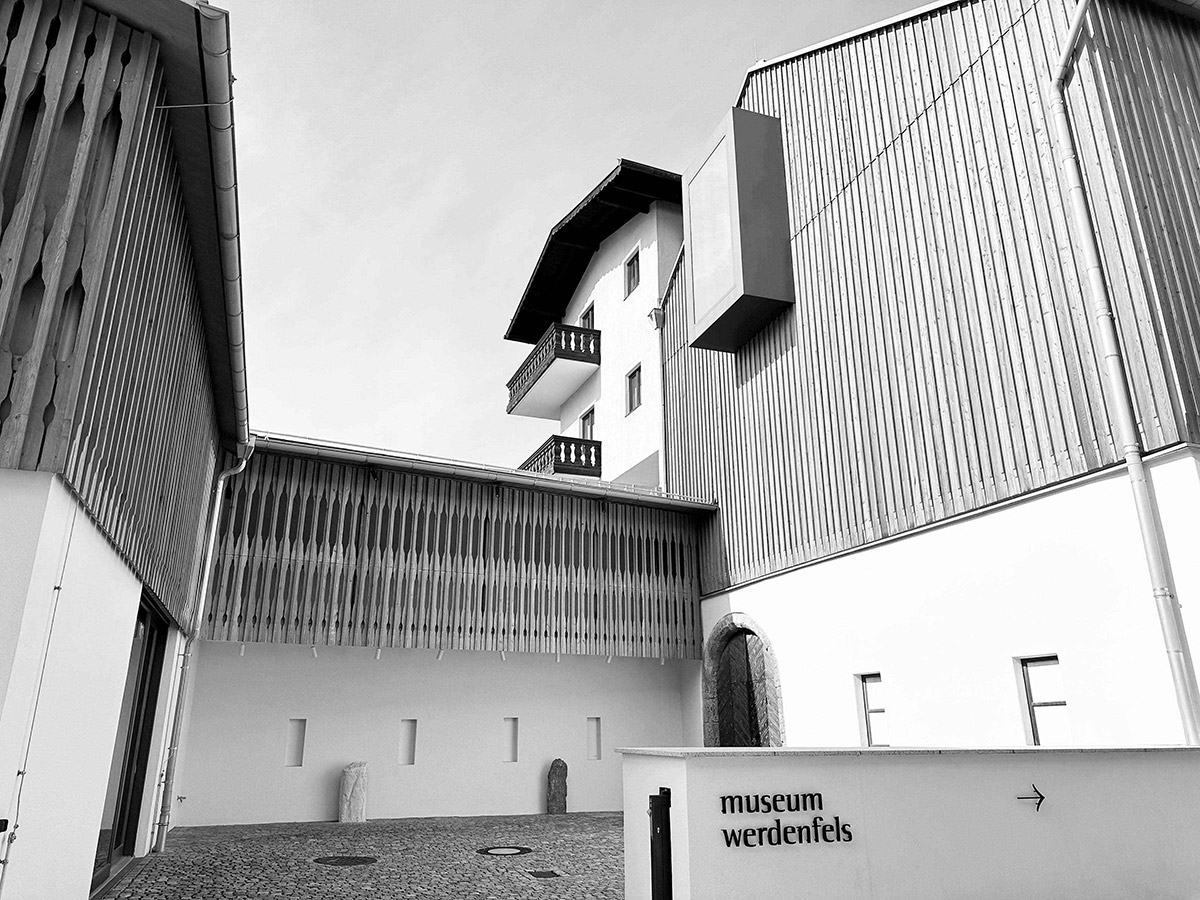
In 2019, a contemporary extension featuring striking modern architecture was opened. This new building is used to host the museum’s changing special exhibitions.


Museum Werdenfels e.V.
Ludwigstraße 47
82467 Garmisch-Partenkirchen
08821 - 751710
info@museum-werdenfels.de
Directions
Opening Hours
Tuesday to Sunday: 10 am to 5 pm.
Also open on Mondays if they are public holidays.
Tickets
Admission from €4.50
Parking in the underground garage is free for 2 hours
More information